
 Book on WhatsApp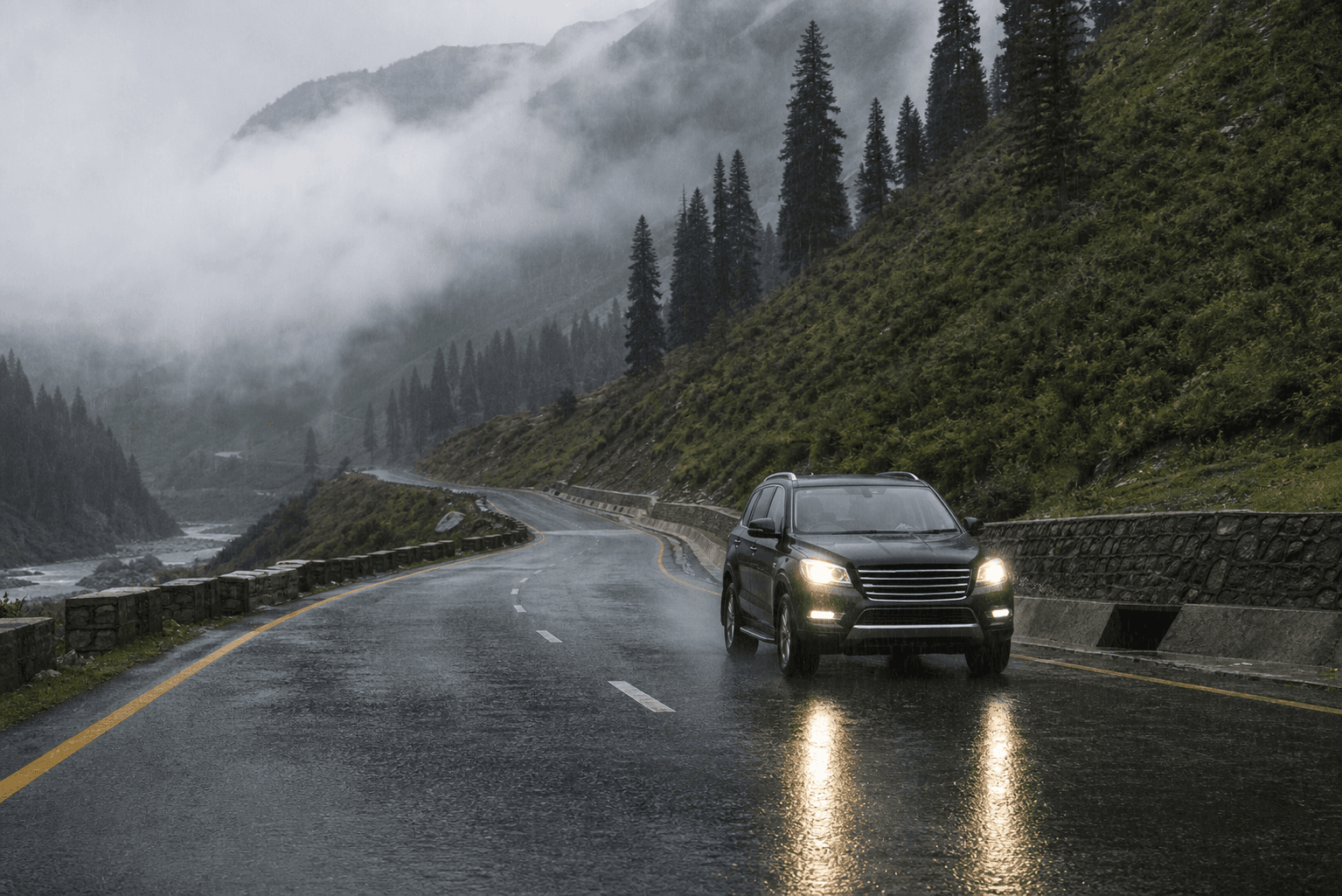
Start with a verified plan
Monsoon scenery can be beautiful, but mountain-road decisions must follow current weather and official local advice rather than a fixed holiday timetable.
Keep the booking in writing, use accurate passenger and luggage details, and ask questions before the vehicle arrives. Clear information is the simplest way to prevent avoidable problems.
Check conditions before every leg
Review forecasts and local road information before leaving, then ask again at the last reliable town. Conditions in one valley do not predict another.
Keep the itinerary flexible
Build spare time into hotel bookings and return plans. Waiting in a safe place is better than pushing through heavy rain, poor visibility or a closure.
Use the right vehicle and driver
A suitable vehicle helps, but experience and judgment matter more. Choose a driver familiar with the route who is willing to turn back when conditions deteriorate.
Pack for delays
Keep water, snacks, medication, warm layers, rain protection, charging power and key contact details inside the cabin rather than beneath all the luggage.
Choose a vehicle that fits the real journey
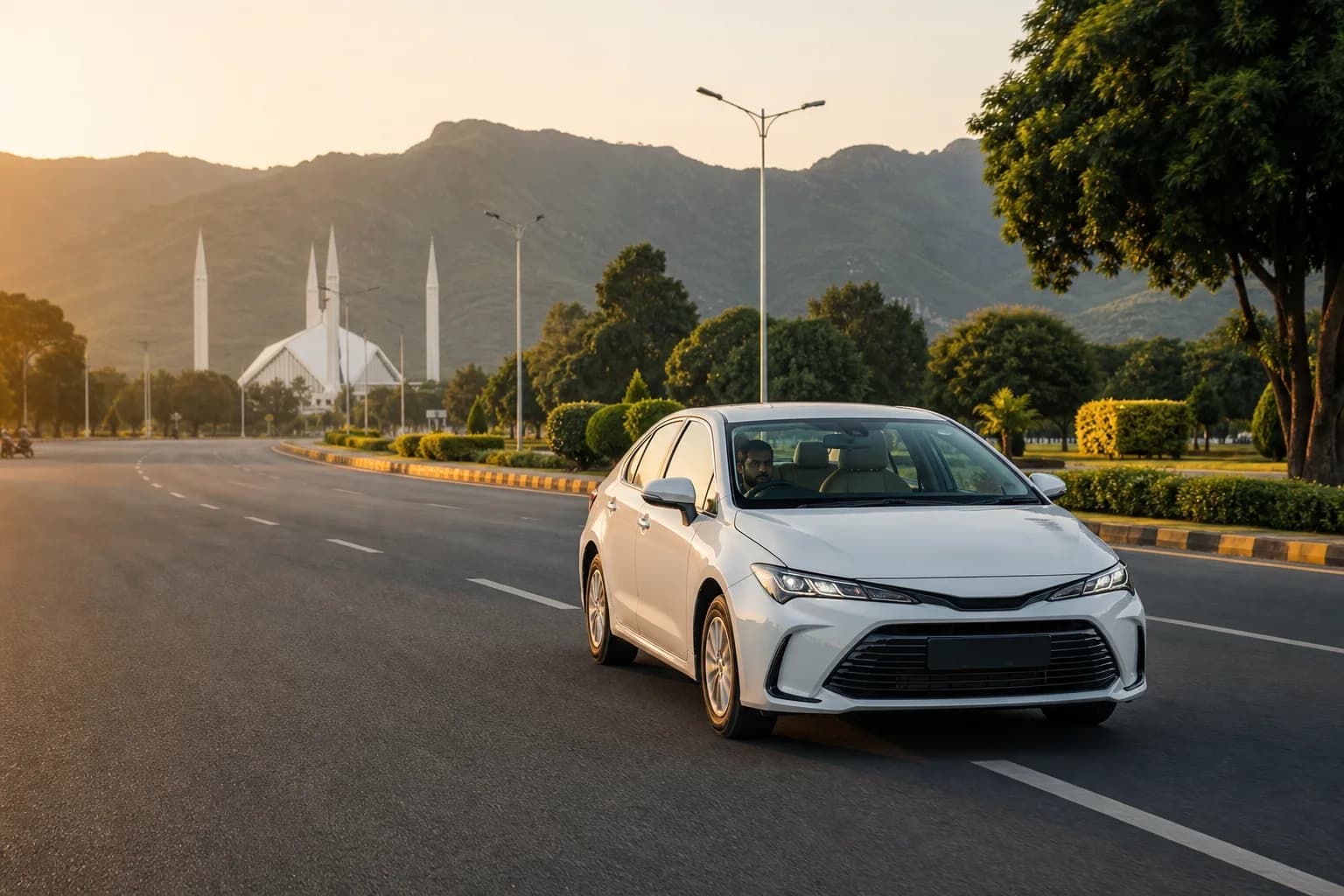
A sedan can be appropriate for a small group on paved routes, while an SUV adds luggage space and comfort for longer or mountainous travel. A van may be the sensible choice for a larger party. Count bags as carefully as passengers, and describe pushchairs, wheelchairs, sports gear or oversized cases before the vehicle is assigned.
Vehicle condition, seat belts, tyres, maintenance and driver experience matter more than appearance alone. Ask the operator to recommend a category using the current route and conditions rather than choosing from photographs only.
Plan for the most likely disruption
Think through one realistic problem before departure: a delayed flight, weak mobile coverage, rain, a child needing an extra stop or a road closure. Keep essential contacts offline and leave enough time to change the plan safely. A flexible booking is more valuable than an itinerary that works only when everything is perfect.
What not to assume
- Do not assume a quoted price includes every stop or unlimited waiting.
- Do not assume the largest vehicle is automatically suitable for every road.
- Do not assume mobile data will work throughout a northern route.
- Do not assume online travel times reflect current weather and traffic.
- Do not assume a special seat, accessibility aid or luggage rack is available unless confirmed.
After the booking is confirmed
Review the local pickup time, meeting point, destination spelling, passenger count and payment arrangement. Save the operator and driver contacts, share the journey with a trusted person where appropriate, and keep the phone used for booking switched on. If the itinerary changes, tell the operator before pickup so the vehicle, price and schedule can be reviewed.
Reconfirm the evening before an early departure and check that every traveller understands the meeting point, baggage plan and expected first stop.
Questions to ask the transport provider
- Who is the assigned driver and how will I identify the vehicle?
- What exactly is included in the fixed price?
- How are delays, weather or itinerary changes handled?
- Is the vehicle suitable for every passenger and bag?
- Who should I contact if the plan changes?
Keep essential information accessible
Save the booking contact, pickup point, destination and driver details offline. Keep your phone charged and share the plan with someone you trust when appropriate. Important medication, identification and emergency contacts should stay with you rather than deep inside checked luggage.
Related planning resources
Final checklist
- Confirm the date, local time and exact pickup.
- Verify passenger, luggage and accessibility needs.
- Save the driver and operator contact details.
- Check current weather or travel conditions.
- Keep the plan flexible when safety requires a change.
When the details are ready, request a written fixed quote so the transport matches the journey you actually need.

 WhatsApp us