
 Book on WhatsApp
Buy & Sell · Guide
Buying Your First Car: A Beginner’s Guide
Buying your first car goes smoothly when you set a realistic total budget, choose a reliable, well-supported model, inspect and test drive before you commit, and complete the ownership transfer properly — so you drive away with a car and clean paperwork.
 WhatsApp us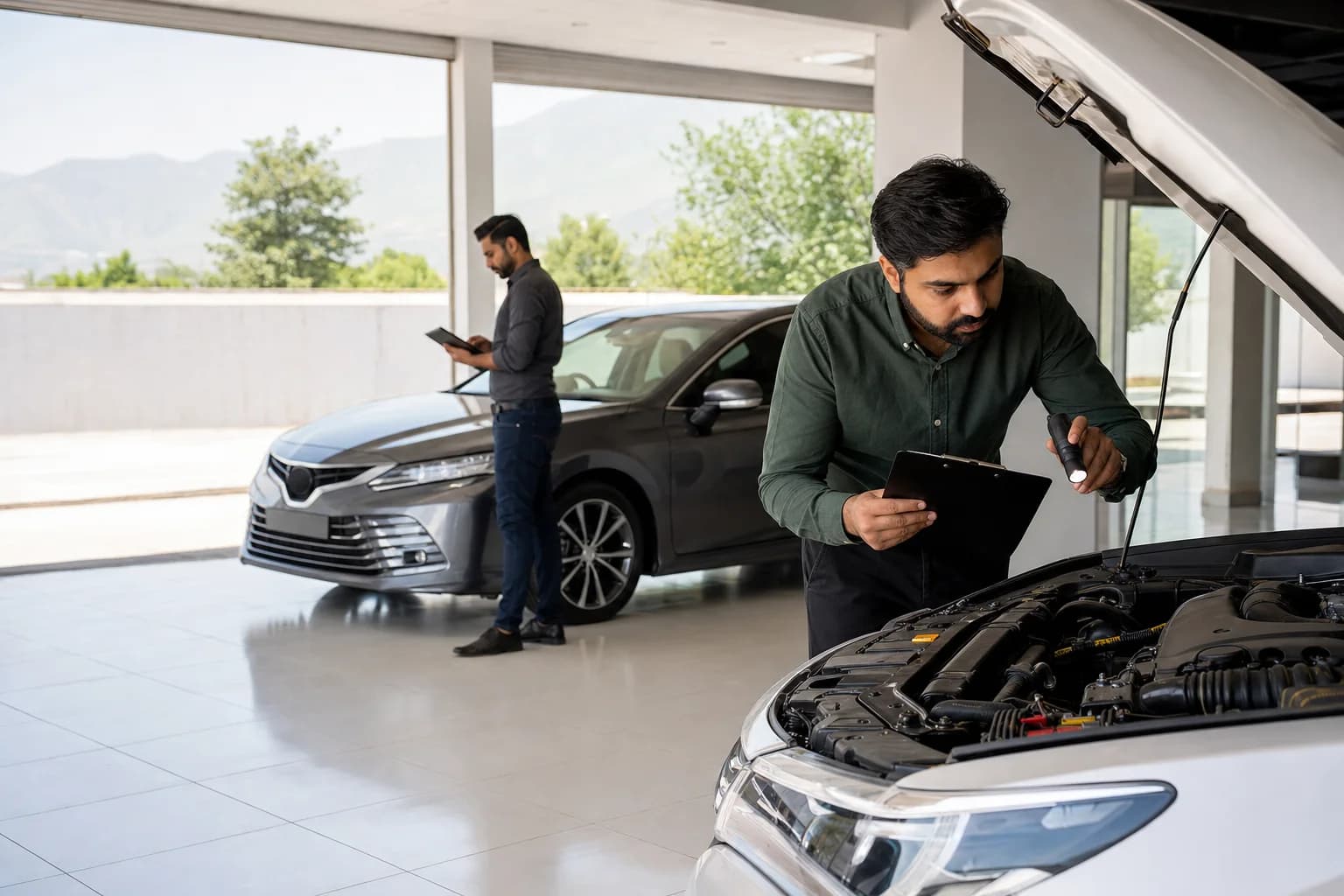
Budget and choosing the right car
Think in terms of total cost, not just the sticker price. Beyond the purchase, budget for transfer and token costs, insurance if you choose it, fuel, routine servicing and a sensible reserve for tyres or unexpected repairs. Leaving a little headroom rather than spending every rupee on the car itself is one of the best habits a first-time owner can build.
For a first car, reliability and parts availability usually matter more than badge or specification. Popular, widely serviced models tend to be cheaper and quicker to maintain because parts and experienced mechanics are easy to find. Match the car to how you will actually use it — a small, economical hatchback is easy to park and run in the city, while a larger car only earns its keep if you genuinely need the space.
Inspect, test drive and transfer properly
Never buy on looks alone. Inspect the car in daylight, check the documents match the vehicle, and take a proper test drive covering brakes, steering, gearbox and electronics. If you are not confident judging mechanical condition, a professional pre-purchase inspection is money well spent, and it can strengthen your position when it comes to agreeing a fair price.
Finish the job with the paperwork. Verify the seller’s ownership, confirm the registration details and any outstanding token tax, and complete the ownership transfer into your own name rather than relying on an open letter. Getting the transfer done promptly protects you from disputes and from liability for anything the previous owner’s car might be linked to later.
Good to know
FAQ
What should a first-time buyer look for in a used car?
Reliability, easy parts and servicing, honest condition matching the mileage, and clean, verifiable paperwork. A widely used model with a strong service history is usually a safer first car than a rare or heavily modified one.
Should I pay cash or arrange financing for my first car?
That depends on your finances. Cash avoids interest and keeps things simple, while financing spreads the cost but adds interest and paperwork. Compare the total cost of each and choose what fits your budget rather than stretching too far.

Ready to book? Get a fixed-price quote
A real person replies within minutes, 24/7. No payment now.