
 Book on WhatsApp
Buy & Sell · Guide
CNG-Converted Cars: What to Know Before You Buy
A CNG-converted car can cut running costs, but you should check that the conversion and cylinder are properly fitted and certified, understand the registration and safety implications, and weigh possible engine wear and resale effects before you buy.
 WhatsApp us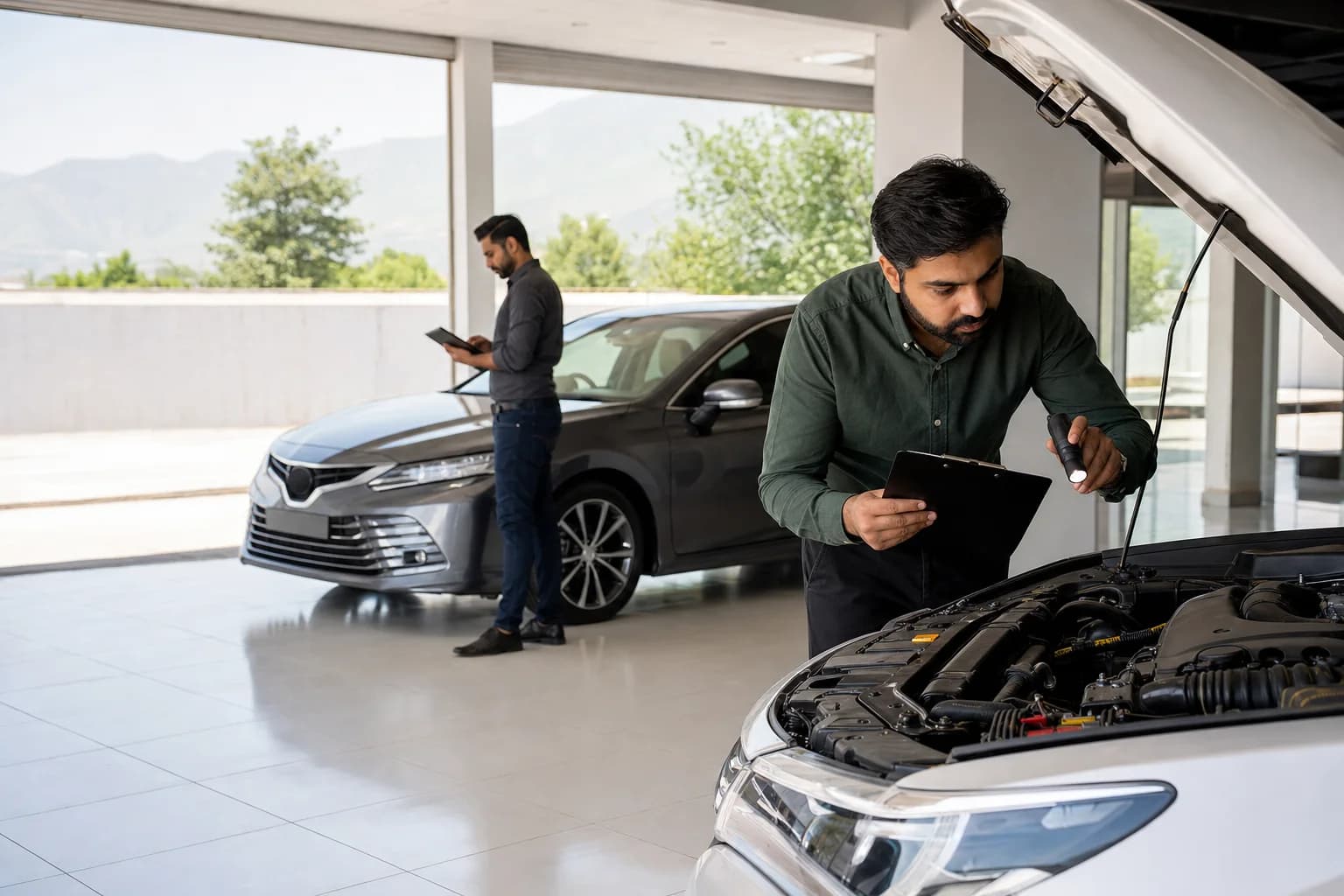
Kit quality, safety and registration
Not all conversions are equal. A professionally fitted kit from a reputable installer, with a cylinder that is within its testing and certification life, is very different from a cheap, ageing installation. Inspect the cylinder for a valid hydro-test or certification date, check the mounting is secure with no rust around the brackets, and look for any smell of gas, damaged pipework or amateur wiring in the engine bay and boot. A leak or a time-expired cylinder is a genuine safety concern, not a minor detail.
Registration and documentation matter too. A CNG fitment should be reflected in the vehicle’s papers where required, and a conversion done off the record can cause complications at transfer or inspection. Confirm what the registration book states, keep any conversion and cylinder-test certificates with the car, and factor the periodic cost of re-testing or eventually replacing the cylinder into your ownership plans.
Engine wear, boot space and resale
Running on gas changes the picture under the bonnet. Poorly set-up conversions can run the engine hotter or leaner and, over time, may accelerate wear on valves and valve seats, so a well-tuned kit and evidence of regular servicing are reassuring. On the test drive, feel for a smooth switch between petrol and gas, check that the car pulls cleanly on CNG, and note that most cars keep a small petrol reserve for starting and back-up — confirm the petrol side still works properly.
Weigh the practical trade-offs honestly. The cylinder usually occupies part of the boot, reducing luggage space, and some buyers simply prefer a factory petrol car, which can affect resale demand and value. Set against that, lower fuel costs may suit high-mileage drivers. There is no single right answer — it depends on your mileage, how the specific conversion was done, and whether the paperwork and safety checks stack up.
Good to know
FAQ
Is it safe to buy a car with a CNG kit fitted?
It can be, provided the kit is professionally installed, the cylinder is within its certification life and there are no leaks or amateur repairs. Have any conversion checked by a qualified installer, and treat an old or undated cylinder with caution.
Does a CNG conversion reduce a car’s resale value?
It can, because some buyers prefer an unmodified petrol car and the cylinder reduces boot space. For high-mileage drivers the fuel saving may outweigh this. Consider your own usage and the wider demand for that model before deciding.

Ready to book? Get a fixed-price quote
A real person replies within minutes, 24/7. No payment now.